
GCMS
Další informace
WebinářeO násKontaktujte násPodmínky užití
LabRulez s.r.o. Všechna práva vyhrazena. Obsah dostupný pod licencí CC BY-SA 4.0 Uveďte původ-Zachovejte licenci.
Pořadatel
C&EN
C&EN
Chemical & Engineering News (C&EN) je vlajkovým časopisem American Chemical Society, organizace s více než 157 000 členy ve více než 100 zemích. "Like" C&EN, pokud jste profesionál, který hledá novinky z chemie, nebo jste prostě fanouškem chemie.
Tagy
GC
GC/MS
HeadSpace
LinkedIn Logo

Analytical Strategies for USP Residual Solvents Analysis Using Agilent Gas Chromatography Coupled with Flame Ionization and Mass Spectrometry Detectors
ZÁZNAM | Proběhlo Út, 27.7.2021
V této prezentaci představíme příslušné analytické strategie založené na GC/FID a GC/FID/MS pro spolehlivou detekci a kvantifikaci třídy 1, 2 a 3, jakož i neznámá rozpouštědla v léčivých přípravcích.
Přejít na webinář
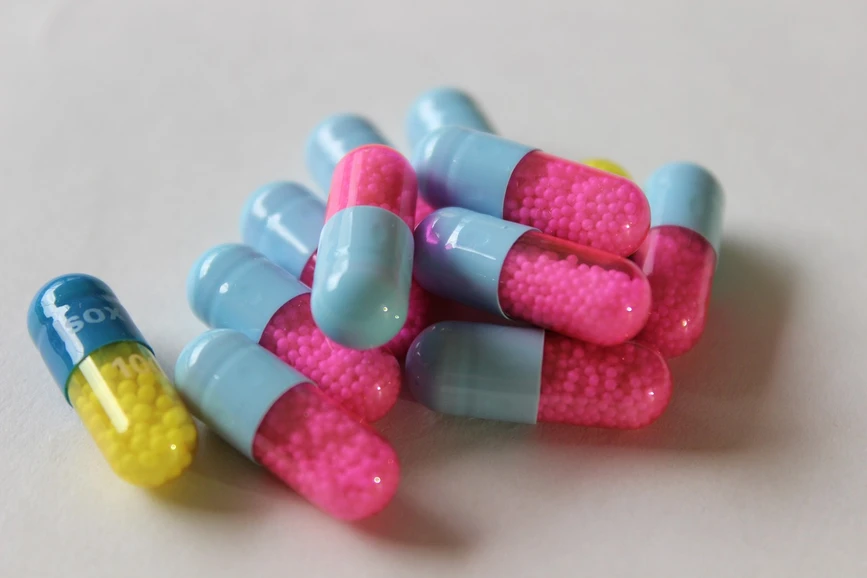
Pixabay/GladisAbril: Analytical Strategies for USP Residual Solvents Analysis Using Agilent Gas Chromatography Coupled with Flame Ionization and Mass Spectrometry Detectors

Organic solvents are widely used in the manufacturing of active pharmaceutical ingredients (APIs). Many of these solvents are harmful and can be present in the final product as residual solvents from the manufacturing process. API manufacturers are required to monitor and control the levels of residual solvents among other impurities. The United States Pharmacopeia (USP) Method <467> is the method used worldwide for quality control, and closely follows ICH Q3C guidelines. Similar compound lists and guidelines can be found in the Pharmacopoeia of China.

In this presentation, we will present the relevant GC/FID and GC/FID/MS based analytical strategies to confidently detect and quantify Class 1, 2, and 3 as well as unknown solvents in drug products. Learn how taking advantage of dual channel configuration and Agilent’s Smart, Connected, and Self-Aware systems can help you successfully meet your requirements for residual solvent analysis and ensure your testing is right first time and every time.

Presenter: Ian Eisele (Applications Chemist, Gas Phase Separation Division, Agilent Technologies)

Presenter: Youjuan Zhang (Applications Chemist, Gas Phase Separation Division, Agilent Technologies)

Presenter: Ann Thayer (Contributing Editor, C&EN Media Group)

C&EN
LinkedIn Logo
 

Mohlo by Vás zajímat

Analysis of Aroma Components in Apples Using the Smart Aroma Database

Aplikace
| 2026 | Shimadzu
Instrumentace
GC/MSD, GC/SQ, HeadSpace
Výrobce
Shimadzu
Zaměření
Potraviny a zemědělství

Analysis of Acetaldehyde and Limonene in Recycled PET Using an HS-GCMS System (Carrier Gas: H2)

Aplikace
| 2026 | Shimadzu
Instrumentace
GC/MSD, GC/SQ, HeadSpace
Výrobce
Shimadzu
Zaměření
Průmysl a chemie

What Causes GC Capillary Column Performance Degradation, and How Can I Prevent It?

Technické články
| 2026 | Agilent Technologies
Instrumentace
Spotřební materiál, GC kolony
Výrobce
Agilent Technologies
Zaměření
Ostatní

Aromatic Component Analysis of Gasoline According to ASTM D5580 Using the Brevis GC- 2050 Gas Chromatograph

Aplikace
| 2025 | Shimadzu
Instrumentace
GC
Výrobce
Shimadzu
Zaměření
Průmysl a chemie

Micro GC Analysis of Permanent Gas Impurities in PEM Fuel Cell-Grade Hydrogen

Aplikace
| 2025 | Agilent Technologies
Instrumentace
GC
Výrobce
Agilent Technologies
Zaměření
Průmysl a chemie
Další projekty
LCMS
ICPMS
Sledujte nás
Další informace
WebinářeO násKontaktujte násPodmínky užití
LabRulez s.r.o. Všechna práva vyhrazena. Obsah dostupný pod licencí CC BY-SA 4.0 Uveďte původ-Zachovejte licenci.