

GCxGC with Flow Modulation: A Simple Approach to Resolving Complex Mixtures
Flow modulation simplifies the way you perform GCxGC as it provides a number of advantages over thermal modulation, including easy setup and no use of cryogens. In this e-seminar, you’ll hear from John Seeley, a preeminent researcher in flow-based modulation techniques. He discusses the underlying principles of flow-based GCxGC theory, demonstrates its use with applications, and provides an in-depth analysis of when GCxGC flow modulation is an effective approach, and when it may not be the best option. This overview is meant to provide an educational backdrop for those who are interested in further understanding GCxGC and how it can play a role in their lab.
LECO's New FLUX™ GCxGC Flow ModulatorPegasus_BT4D_FLUX_Operator
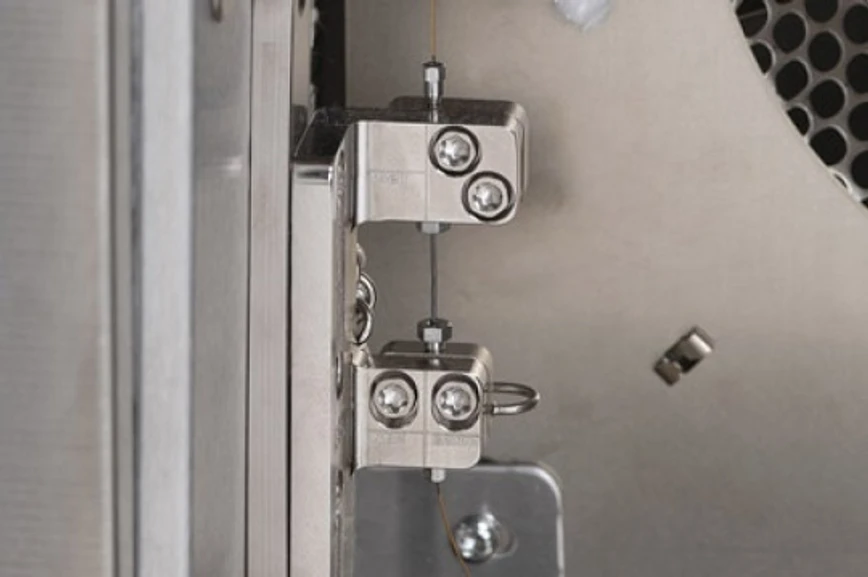
Our innovative FLUX GCxGC flow modulator was designed with one goal in mind—to make GCxGC more routine, accessible, and easy to use in your lab. The flow modulator's concept is based on the sound and easily understood principles first articulated by Seeley et al. on diverting flow, (visit the webinar above if you want to learn more). This extraordinarily simple design comprising of a cross shape and a sideways T, is not only easy to setup and get started, but its ease-of-use makes it the most cost-effective option for GCxGC analysis.
Advantages
This flow-based modulator is perfect for those who want to perform robust GCxGC analysis, but who don't need the sensitivity of standard quad jet thermal modulation. Ideal samples should be complex, but relatively concentrated. Appropriate applications include petroleum and fragrance analyses such as the classic weathered crude oil example pictured below, which shows a GCxGC plot generated on our Pegasus® BT platform using the FLUX flow modulator.
Presenter: John V. Seeley (Oakland University, Department of Chemistry)


