

State of the Art Automated Sample Preparation for 3-MCPD, MOSH/MOAH, Glyphosate, PEth, and more
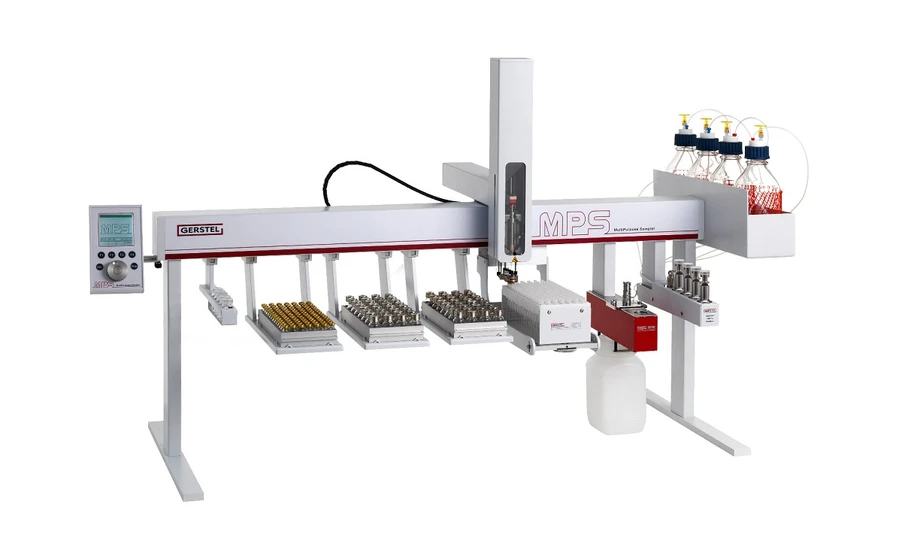
The subject of this presentation is practical results achieved from comprehensive automation of complex sample preparation workflows for LC/MS and GC/MS. An overview of the most frequently encountered reasons for wanting to automate sample preparation is presented along with the attained benefits in laboratories based on real life cases. An automation platform based on a robotic autosampler with one or two independently moving x-y-z arms is presented along with available modules for a wide range of individual operations.
Using a combination of individual modules for agitation, incubation, centrifugation, and evaporation, liquid/liquid extraction or derivatization procedures can be automated. For extract- or sample clean-up, modules ranging from filtration through centrifugation to solid phase extraction (SPE) are available to meet individual analytical needs. The automation potential of the platform is illustrated based on application examples of widespread current interest. Among these are the determination of 3-MCPD and glycidol in edible oils; glyphosate in food; mineral oil hydrocarbon (MOSH/MOAH) contamination of food; and phosphatidylethanol (PEth), an alcohol consumption marker used in forensic toxicology and determined in Dried Blood Spots (DBS).
Presenter: Oliver Lerch, Ph.D.
Oliver is Automated Sample Preparation Product Manager at GERSTEL in Mülheim an der Ruhr, Germany. After obtaining his doctorate in analytical chemistry at the Ruhr University Bochum, Germany in 2003, Dr. Lerch worked as a Post Doctorate Fellow at the Max Planck Institute for Molecular Plant Physiology in Potsdam, Germany. In 2005, he joined GERSTEL as Application Specialist involved in product development and application testing. Over several years, Dr. Lerch has been responsible for strategic application development for the areas Food-, Water-, Pharmaceutical- as well as Forensic Toxicology. Multiple projects have been implemented in close cooperation with scientists in customer laboratories and several have been published in peer reviewed journals.


